

The world of learning is constantly evolving, and keeping up with the latest trends in education is essential for students, teachers, and institutions alike. With rapid technological advancements, innovative teaching methods, and changing societal needs, understanding these trends can help educators adopt the most effective approaches for modern learners. At EducationalChanges, we explore the most impactful trends in education and how they can transform learning experiences worldwide.
Understanding Trends in Education
Trends in education refer to the emerging practices, technologies, and methodologies that influence how students learn and how educators teach. From digital classrooms to personalized learning, these trends are reshaping traditional education models. They focus not only on academic outcomes but also on developing critical thinking, creativity, collaboration, and digital literacy skills among learners.
The Role of Technology in Trends in Education
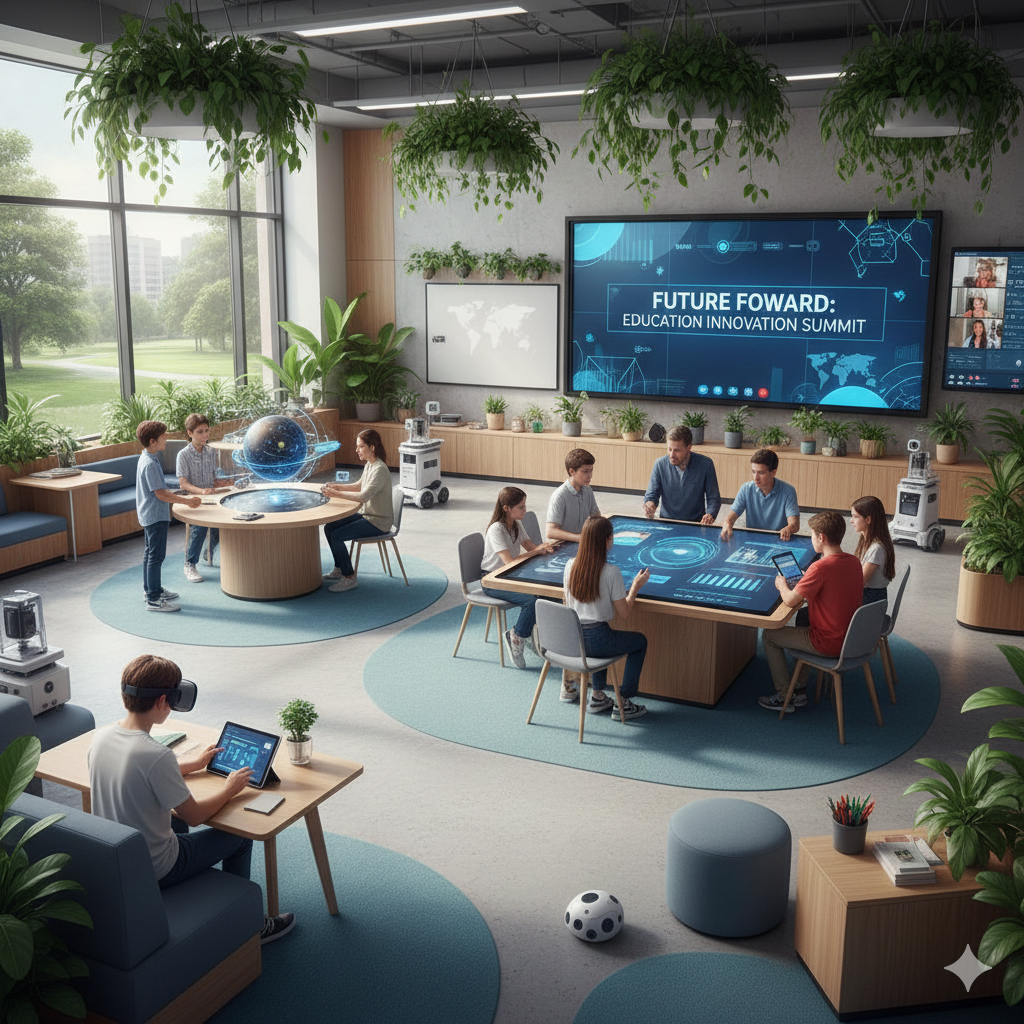
One of the most significant drivers of trends in education is technology. Digital tools like tablets, smartboards, e-learning platforms, and virtual reality are revolutionizing the classroom experience. Technology enables interactive lessons, immediate feedback, and access to global resources, making learning more engaging and effective.
Artificial intelligence (AI) and data analytics also play a crucial role in modern education. By analyzing student performance, AI-driven platforms can personalize learning paths, helping students master concepts at their own pace. This approach not only improves learning outcomes but also encourages lifelong learning habits.
Blended Learning: A Key Trend in Education
Blended learning has emerged as a popular trend in education that combines traditional classroom teaching with online learning. This hybrid model offers flexibility, allowing students to learn at their own pace while benefiting from face-to-face interaction with teachers. Blended learning also fosters self-directed learning, critical thinking, and collaboration skills, which are essential for success in the modern world.
Personalized Learning and Teaching Strategies
Another major trend in education is personalized learning. Tailoring lessons to meet the individual needs of each student ensures that every learner receives the support and guidance necessary for academic success. Personalized approaches often rely on digital tools and data analytics to identify strengths, weaknesses, and preferred learning styles.
When integrated with effective teaching strategies, personalized learning can significantly enhance student engagement. Teachers can adapt their methods to suit individual learners, ensuring a more meaningful and productive educational experience.
Interactive Learning Tools and Gamification
Interactive learning tools and gamification are increasingly popular trends in education. Educational apps, online quizzes, and game-based learning platforms make studying more engaging and fun. Gamification encourages healthy competition, rewards progress, and motivates students to achieve their learning goals. By combining entertainment with education, these tools improve retention and foster a love for learning among students.
Focus on Early Childhood Education
Emerging trends in education also emphasize the importance of early childhood education. Introducing foundational skills and digital literacy at a young age helps prepare children for future academic success. Incorporating play-based learning, interactive apps, and creative activities nurtures curiosity, problem-solving skills, and social development in preschool and kindergarten learners.
Global Collaboration and Virtual Classrooms
With globalization and technological advancements, virtual classrooms and international collaboration have become prominent trends in education. Students can now connect with peers worldwide, participate in collaborative projects, and gain exposure to diverse perspectives. Virtual classrooms break geographical barriers, making education more inclusive and accessible to learners everywhere.
21st-Century Skills in Modern Education
Modern trends in education focus not only on knowledge acquisition but also on developing 21st-century skills. These include digital literacy, critical thinking, problem-solving, creativity, and collaboration. Incorporating these skills into curricula ensures that students are well-prepared for the workforce and can navigate an increasingly complex and technology-driven world.
Sustainable Education and Social Responsibility
Sustainability and social responsibility have become essential components of contemporary trends in education. Schools are now incorporating environmental education, community service projects, and ethical learning into their programs. Teaching students to care for the environment, understand social issues, and act responsibly cultivates global citizens who can contribute positively to society.
Challenges in Adopting Trends in Education
While trends in education offer numerous benefits, there are challenges that schools and educators must consider:
- Digital Divide: Unequal access to technology can create learning disparities among students.
- Teacher Training: Educators need ongoing professional development to implement new teaching methods and technologies effectively.
- Screen Time Management: Excessive reliance on digital tools can affect health and social skills, so balance is essential.
- Cybersecurity: Protecting student data and ensuring safe online learning environments is critical.
Addressing these challenges ensures that trends in education are implemented successfully, maximizing their positive impact on learners.
The Future of Education Trends
The future of education is shaped by continuous innovation and adaptation. Emerging technologies like virtual reality (VR), augmented reality (AR), and AI-powered tutoring will further enhance learning experiences. Additionally, integrating teaching strategies with digital tools will empower educators to create more personalized, engaging, and effective classrooms.
Sustainable practices, global collaboration, and skill-based learning will continue to define trends in education, ensuring that students are prepared not only academically but also socially, emotionally, and professionally.
Conclusion
Keeping up with trends in education is vital for creating learning environments that are relevant, engaging, and effective. From technology integration and personalized learning to interactive tools and global collaboration, these trends are transforming the way students acquire knowledge and skills.
Effective teaching strategies combined with innovative approaches ensure that learners of all ages benefit from modern educational practices. At EducationalChanges, we are dedicated to exploring and promoting these trends in education to empower educators and students alike. By embracing these advancements, we can prepare the next generation to thrive in a dynamic, interconnected, and technology-driven world.
About the Author