


Effective education starts with empowered and well-trained teachers. Teacher development is a continuous process that equips educators with the skills, knowledge, and confidence needed to meet the demands of modern classrooms. At EducationalChanges, we emphasize the importance of teacher development in enhancing student outcomes, improving teaching practices, and fostering lifelong learning for educators.
Understanding Teacher Development
Teacher development encompasses all activities, programs, and strategies aimed at improving the professional competencies of educators. It goes beyond basic training and certification, focusing on ongoing learning, reflective practices, and adapting to evolving educational trends. Through teacher development, educators can refine their teaching methods, adopt innovative strategies, and create engaging learning environments that benefit all students.
Importance of Teacher Development
Investing in teacher development has numerous benefits for both teachers and students. Well-developed teachers can:
- Deliver more effective and engaging lessons
- Apply innovative teaching methods
- Incorporate technology and modern tools in the classroom
- Address diverse learning needs
- Enhance student performance and motivation
By prioritizing teacher development, schools foster a culture of continuous improvement that drives educational success.
Professional Learning and Continuous Development
One of the key aspects of teacher development is continuous professional learning. This can include workshops, seminars, online courses, peer collaboration, and mentorship programs. Continuous development ensures that educators stay updated on the latest trends, educational research, and teaching innovations. It also enables teachers to refine their teaching methods, integrate digital tools, and respond effectively to the diverse needs of students.
Integrating Technology in Teacher Development
Modern teacher development programs increasingly emphasize technology integration. Digital tools, learning management systems, and educational apps allow teachers to enhance instruction and engage students in new ways. Understanding how to effectively use technology is essential for implementing blended learning, flipped classrooms, and personalized learning approaches. Teachers trained in these methods can deliver more interactive, dynamic, and impactful lessons.
Mentorship and Peer Collaboration
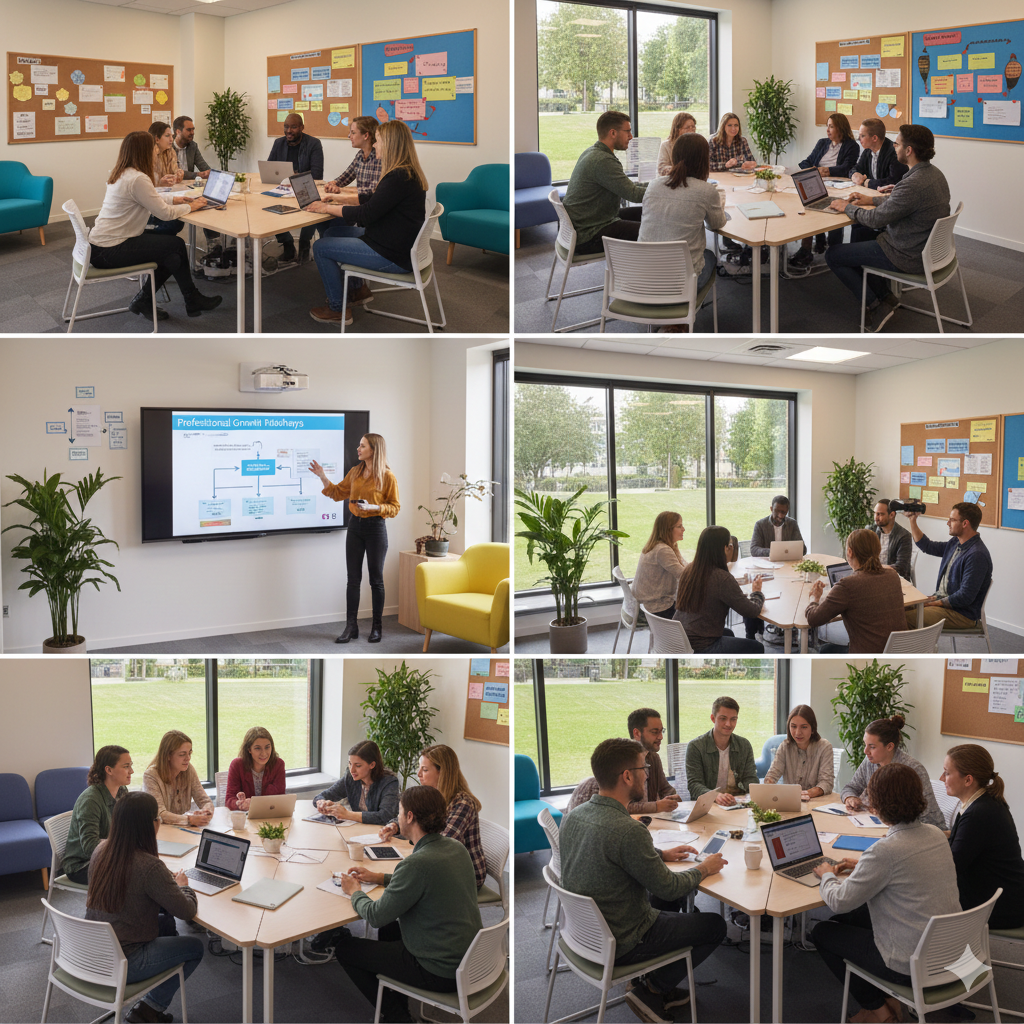
Mentorship is a vital component of teacher development. Experienced educators can guide newer teachers, offering practical insights, classroom strategies, and feedback on teaching practices. Peer collaboration also fosters a supportive learning community, encouraging teachers to share ideas, reflect on their methods, and innovate in the classroom. Together, mentorship and collaboration enhance the overall effectiveness of teacher development initiatives.
Adopting Modern Teaching Methods
A key goal of teacher development is to help educators adopt modern teaching methods. These may include:
- Student-centered learning: Encouraging active participation and critical thinking
- Project-based learning: Fostering problem-solving and collaboration skills
- Inquiry-based learning: Promoting curiosity and research skills
- Flipped classrooms: Allowing students to engage with materials at home and apply knowledge in class
- Blended learning: Combining traditional teaching with online instruction
By learning and implementing these methods, teachers can create engaging, effective, and adaptive learning environments that cater to diverse student needs.
Assessment and Feedback in Teacher Development
Effective teacher development programs emphasize assessment and feedback. Teachers benefit from regular evaluations of their instructional practices, student engagement, and learning outcomes. Constructive feedback helps educators identify strengths, recognize areas for improvement, and refine their teaching methods. Continuous reflection and assessment are critical for professional growth and improving classroom effectiveness.
Building 21st-Century Skills for Educators
Modern classrooms require teachers to possess a range of 21st-century skills. Teacher development programs focus on enhancing skills such as:
- Digital literacy
- Critical thinking and problem-solving
- Effective communication
- Collaboration and teamwork
- Creativity and innovation
By developing these skills, teachers are better equipped to guide students in acquiring the same competencies, preparing them for success in higher education and the workforce.
Challenges in Teacher Development
While the benefits of teacher development are clear, schools often face challenges in implementing effective programs:
- Limited time and resources for training
- Resistance to change or adopting new teaching methods
- Inequitable access to professional development opportunities
- Balancing administrative duties with ongoing learning
Addressing these challenges requires strong leadership, investment in resources, and a culture that values continuous professional growth.
Future of Teacher Development
The future of teacher development is closely tied to evolving educational trends, technology, and student needs. Personalized professional development plans, AI-driven learning analytics, and virtual training platforms will play a significant role in shaping teacher growth. Integrating emerging teaching methods, collaborative learning communities, and continuous feedback systems will ensure that educators remain effective, adaptable, and prepared for the challenges of modern classrooms.
Conclusion
Teacher development is essential for creating high-quality education that meets the demands of today’s learners. By investing in professional growth, adopting innovative teaching methods, integrating technology, and fostering collaboration, educators can enhance their effectiveness and inspire student success.
At EducationalChanges, we are committed to promoting robust teacher development programs that empower educators to excel in their careers and positively impact student learning outcomes. Focusing on continuous growth ensures that teachers are equipped to navigate the dynamic landscape of modern education and lead the next generation toward success.
About the Author