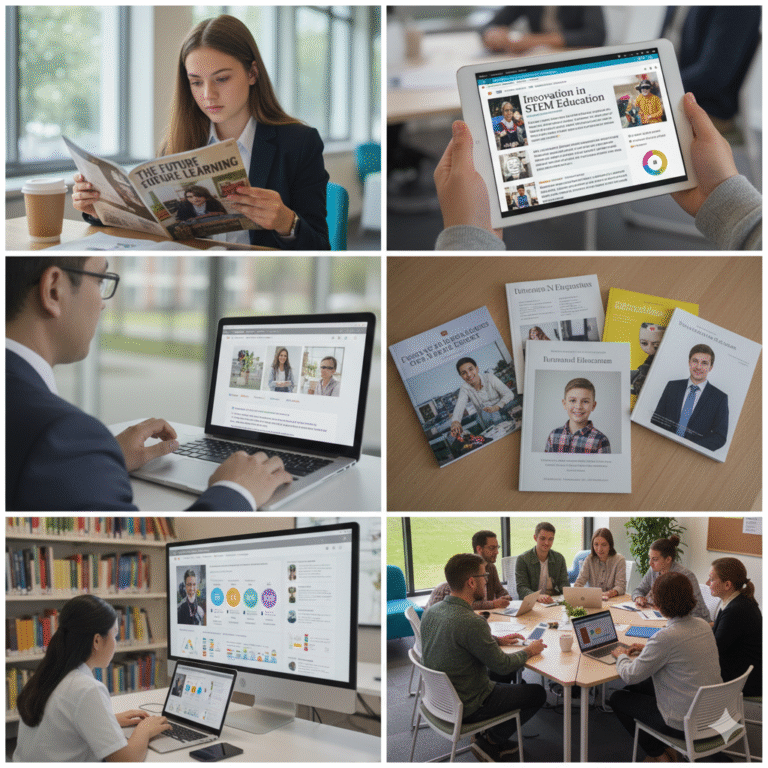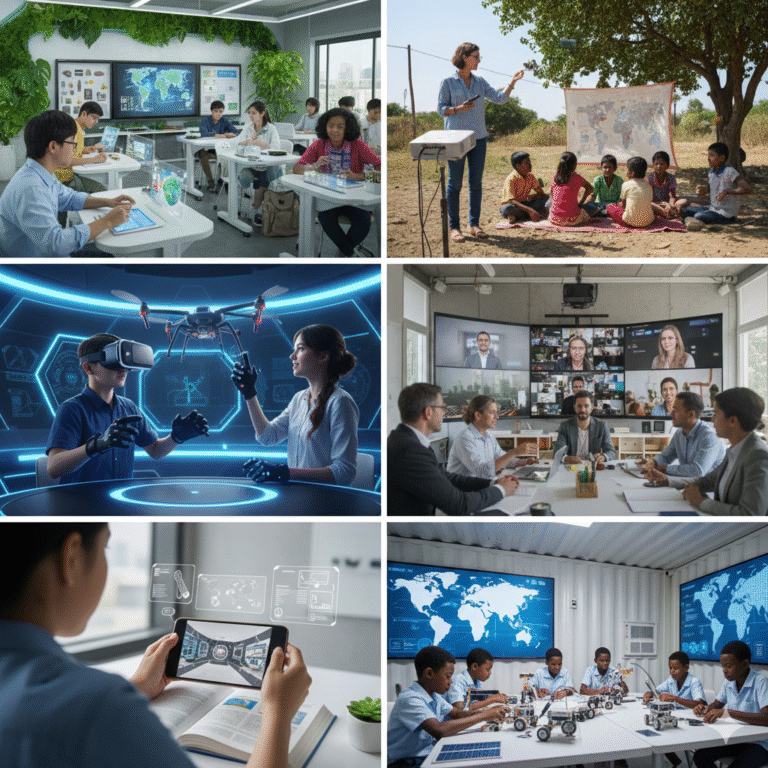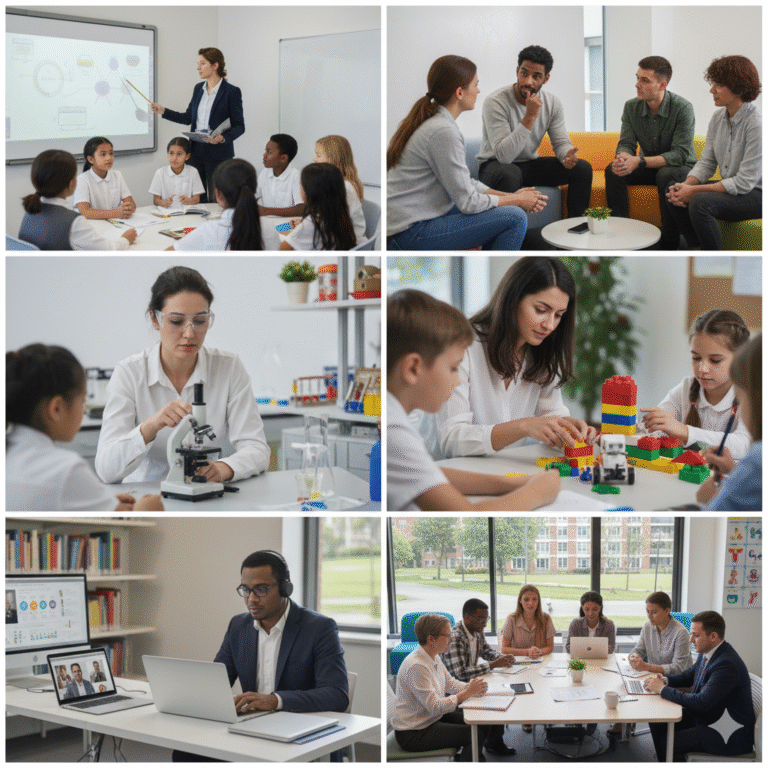

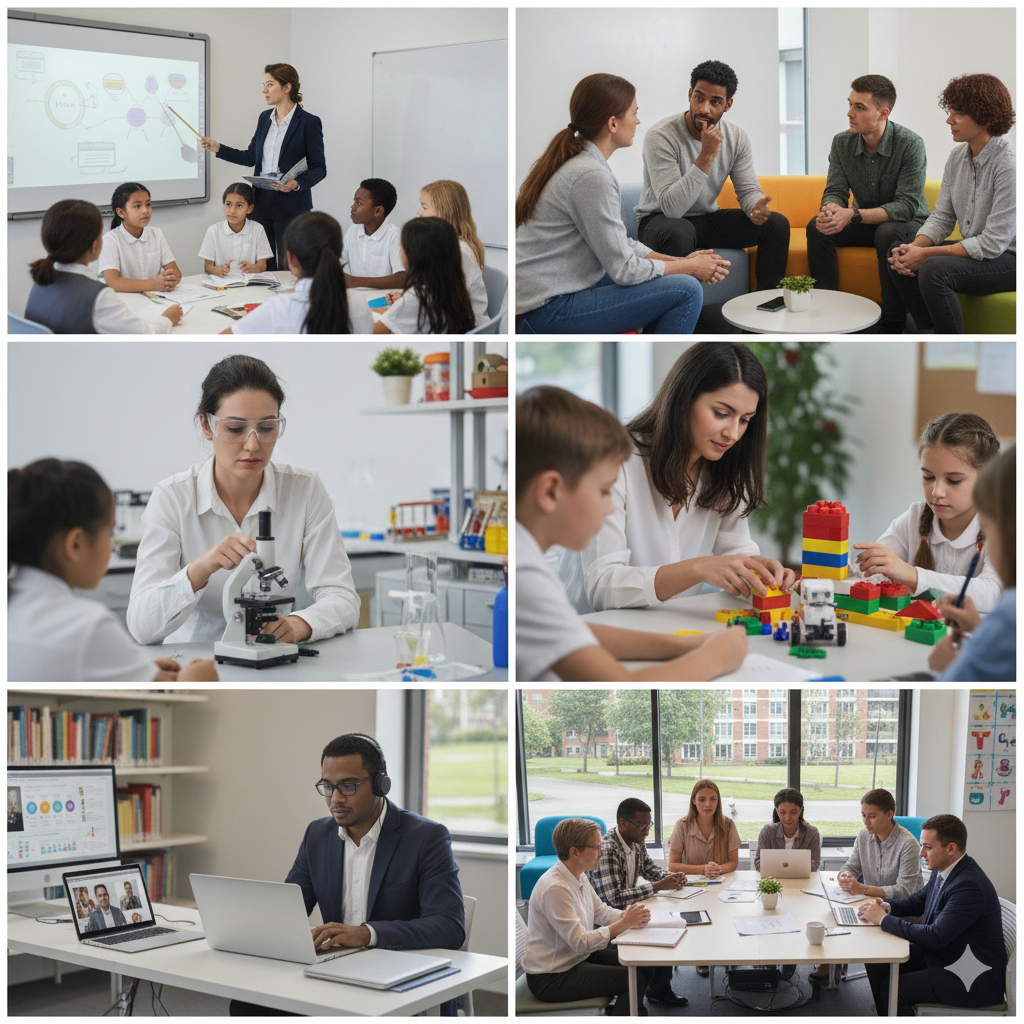
In today’s evolving educational landscape, mastering skills for educators is critical for fostering effective learning and student success. Educators are no longer just transmitters of knowledge; they are facilitators, mentors, and innovators. Developing the right set of skills for educators ensures they can engage students, adapt to new technologies, and contribute meaningfully to academic growth. At EducationalChanges, we explore the most important skills for educators and how they impact modern teaching practices.
Understanding the Importance of Skills for Educators
Skills for educators encompass a wide range of abilities, including instructional strategies, classroom management, communication, and adaptability. These skills are essential for creating dynamic learning environments, motivating students, and enhancing academic outcomes. In addition, educators with well-developed skills can mentor colleagues, lead initiatives, and contribute to educational innovation.
By focusing on cultivating these competencies, schools can ensure their teaching staff is well-equipped to meet the diverse needs of learners.
Top Skills for Educators
There are several key skills for educators that enhance teaching effectiveness:
- Communication Skills: Clear verbal and written communication helps teachers convey concepts effectively and maintain meaningful interactions with students, parents, and colleagues.
- Classroom Management: Organizing and managing the learning environment ensures productive and focused classroom interactions.
- Adaptability: Flexibility in teaching methods allows educators to respond to diverse student needs and changing learning conditions.
- Instructional Design: The ability to create structured, engaging, and effective lesson plans tailored to student learning objectives.
- Emotional Intelligence: Understanding and managing emotions, both of oneself and students, to foster a supportive learning atmosphere.
- Technological Proficiency: Utilizing digital tools, learning management systems, and educational software to enhance instruction.
- Critical Thinking and Problem-Solving: Applying innovative strategies to address challenges in the classroom and promote higher-order thinking among students.
These top skills for educators enable teachers to deliver high-quality instruction and positively influence student achievement.
LSI Keywords Related to Skills for Educators
To ensure comprehensive coverage and SEO optimization, the following LSI keywords are relevant for skills for educators:
- Student engagement techniques – Strategies to maintain interest and participation in learning activities.
- Professional development for teachers – Ongoing training and learning opportunities to enhance teaching competencies.
- Instructional strategies – Effective methods for delivering curriculum content.
- Classroom innovation – Implementing new technologies and approaches to improve learning outcomes.
- Assessment and feedback skills – Evaluating student performance and providing constructive guidance.
- Collaborative teaching skills – Working effectively with colleagues, administrators, and parents.
- Curriculum design abilities – Planning and structuring lessons to meet learning objectives.
Incorporating these LSI keywords ensures the content is informative, relevant, and optimized for search engines.
Communication Skills in Modern Education
Effective skills for educators start with strong communication abilities. Teachers must articulate ideas clearly, engage students in meaningful discussions, and adapt explanations to diverse learning styles. Communication also extends to parents and colleagues, ensuring collaboration and support for student success.
Active listening, empathy, and clarity are crucial components that enhance classroom interactions and improve overall learning experiences.
Classroom Management and Student Engagement
One of the most critical skills for educators is classroom management. Establishing routines, maintaining discipline, and creating a positive learning environment are essential for student focus and achievement.
Equally important is student engagement, which involves using interactive teaching methods, gamified learning, and technology integration to keep learners motivated. Teachers skilled in these areas foster participation, curiosity, and critical thinking among students.
Adaptability and Instructional Design
In a rapidly changing educational landscape, adaptability is a vital skill for educators. Teachers must adjust lesson plans, adopt new technologies, and respond to evolving student needs.
Instructional design complements adaptability by enabling educators to create structured, engaging lessons that align with learning objectives. Integrating multimedia resources, collaborative activities, and real-world applications enhances the learning experience and ensures student success.
Emotional Intelligence and Empathy
Developing skills for educators also requires emotional intelligence and empathy. Understanding students’ emotional needs, managing classroom dynamics, and responding effectively to challenges creates a supportive learning environment.
Empathetic educators build strong relationships with students, encourage self-confidence, and foster social-emotional development, which is critical for holistic education.
Technological Proficiency in Education
Digital tools and technology are increasingly important in modern classrooms. Educators must develop technological proficiency as part of their core skills. This includes using learning management systems, interactive apps, virtual classrooms, and online resources to enhance instruction.
By integrating technology effectively, educators can create engaging lessons, track student progress, and implement personalized learning strategies that improve outcomes.
Critical Thinking and Problem-Solving Skills
Critical thinking and problem-solving are essential skills for educators. Teachers must evaluate instructional effectiveness, address classroom challenges, and encourage higher-order thinking among students.
Developing these skills enables educators to implement innovative solutions, adapt to unforeseen circumstances, and cultivate analytical thinking in learners.
Professional Development and Lifelong Learning
Continuous learning is a cornerstone of effective education. Participating in professional development programs, workshops, and collaborative training sessions enhances skills for educators and ensures they remain current with educational trends.
Professional development also provides opportunities to explore new instructional strategies, technology integration, and classroom management techniques, keeping teaching practices fresh and effective.
Collaborative and Leadership Skills
Educators benefit from collaborative teaching skills, which involve working effectively with colleagues, administrators, and parents to support student learning. Leadership abilities, such as mentoring peers, leading initiatives, and contributing to curriculum development, further strengthen an educator’s impact.
These competencies ensure that teachers not only excel in the classroom but also contribute to the broader educational community.
Conclusion
Mastering skills for educators is essential for creating dynamic, engaging, and effective learning environments. From communication, classroom management, and adaptability to emotional intelligence, technology proficiency, and instructional design, these competencies enable teachers to enhance student outcomes and professional growth.
At EducationalChanges, we emphasize the importance of developing top skills for educators to ensure they are prepared for modern teaching challenges. By continuously cultivating these skills, educators can inspire students, innovate in the classroom, and contribute meaningfully to the evolving landscape of education.
About the Author