
Introduction:
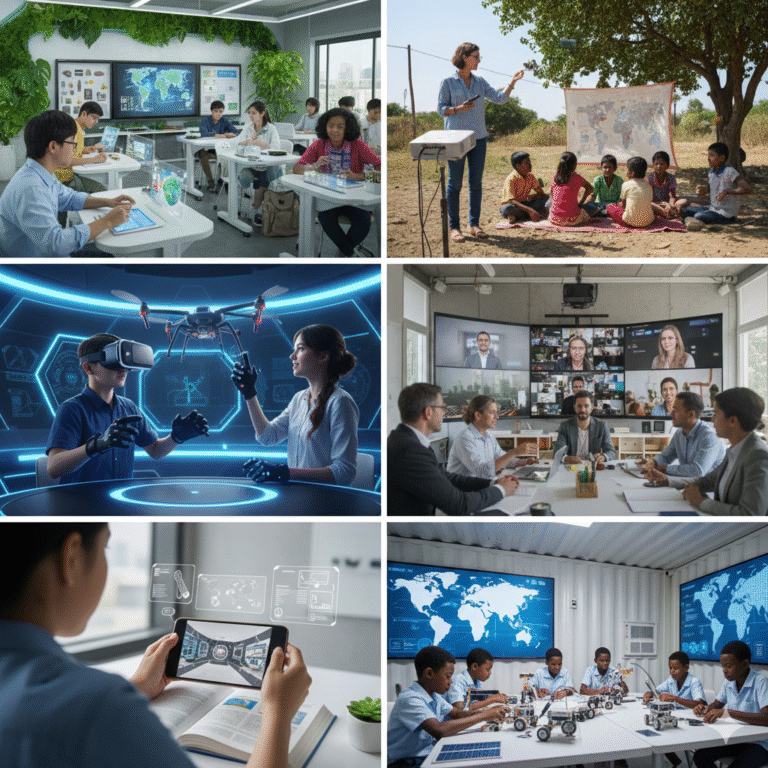
ICT in School Education institutions will be discussed in this article. In today’s swiftly evolving digital landscape, the integration of Information and Communication Technology (ICT) in education has emerged as a pivotal force, fundamentally reshaping both the teaching and learning paradigms. ICT integration in education entails the seamless infusion of technological tools and resources into educational practices to elevate engagement, foster collaboration, and bolster knowledge retention. This article delves into the significance of ICT integration, delineates various approaches to its implementation, identifies barriers hindering its adoption, and elucidates the essence of this transformative pedagogical shift.
Importance of ICT Integration in Education:
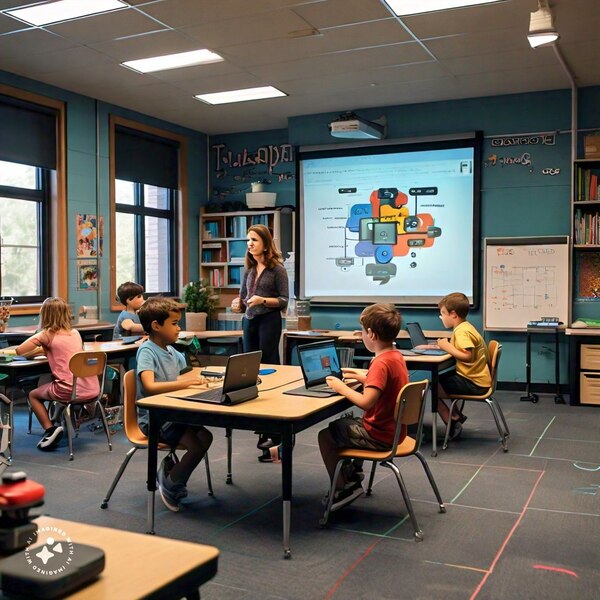
The integration of Information and Communication Technology (ICT) in education has become increasingly crucial in today’s digital age, revolutionizing the way knowledge is imparted and acquired. Incorporating ICT into education brings about numerous benefits that enhance the learning experience for both students and educators. Firstly, ICT integration promotes access to a vast array of educational resources and materials. With the internet as a primary tool, students can explore an extensive range of educational websites, multimedia content, and digital libraries, breaking down the barriers of traditional classroom limitations. This access to diverse resources enables students to engage with content that caters to their individual learning styles and interests, fostering a more personalized and effective learning experience.
Furthermore, ICT integration enhances collaboration and communication among students and educators. Through online platforms, such as discussion forums, video conferencing, and collaborative document editing tools, students can interact with their peers and teachers beyond the confines of the classroom. This fosters a collaborative learning environment where ideas can be shared, discussed, and refined, promoting critical thinking, problem-solving, and teamwork skills essential for success in the 21st century.
Moreover, ICT integration facilitates the development of digital literacy skills, which are indispensable in today’s digitally driven society. By utilizing various ICT tools and software, students learn how to navigate digital interfaces, analyze and evaluate information, and communicate effectively using digital media. These skills are not only essential for academic success but also for future career prospects, as the majority of professions now require proficiency in technology.
Additionally, ICT integration enables innovative teaching methodologies that cater to diverse learning needs. Through the use of multimedia presentations, interactive simulations, and educational games, educators can create engaging and immersive learning experiences that captivate students’ attention and promote active participation. This learner-centered approach to teaching not only enhances students’ motivation and retention of information but also cultivates essential 21st-century skills such as creativity, adaptability, and digital fluency.
In conclusion, the integration of ICT in education is vital for preparing students for success in the digital age. By providing access to diverse resources, fostering collaboration and communication, developing digital literacy skills, and facilitating innovative teaching methodologies, ICT integration enhances the overall quality and effectiveness of education, empowering students to thrive in an increasingly interconnected and technology-driven world.
Approaches to ICT Integration:
The Flipped Classroom Model:
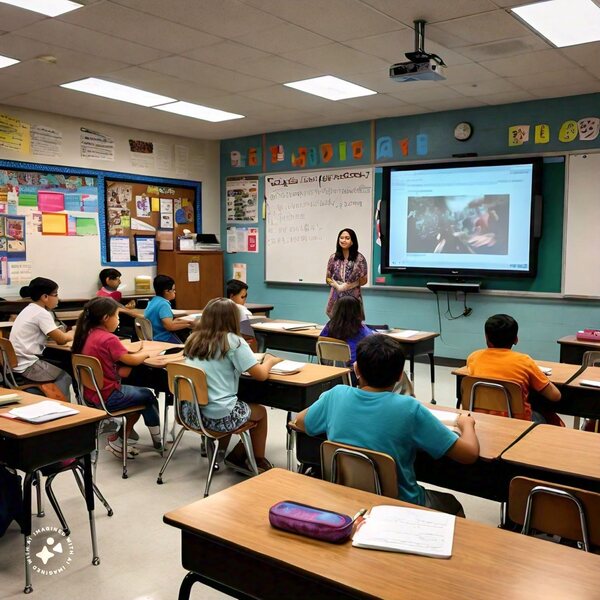
The flipped classroom model epitomizes an innovative approach to ICT integration, where instructional content is disseminated online outside of class hours, allowing students to engage with the material at their own pace. Subsequently, in-class time is dedicated to collaborative activities, discussions, and hands-on exercises, fostering deeper comprehension and active participation among students.
Gasification:
Gasification infuses elements of game design and mechanics into educational contexts to enhance student engagement and motivation. By leveraging gamified elements such as leader boards, badges, and rewards, educators can incentive learning and cultivate a conducive atmosphere for exploration and discovery.
Virtual Reality (VR) and Augmented Reality (AR):
VR and AR technologies offer immersive and interactive learning experiences, transcending the confines of traditional classroom settings. Through VR simulations and AR overlays, students can embark on virtual field trips, explore complex concepts, and manipulate digital objects, thereby enhancing conceptual understanding and fostering curiosity.
Blended Learning:
Blended learning amalgamates face-to-face instruction with online learning modalities, affording students flexibility and autonomy in their learning journey. This approach leverages multimedia resources and digital platforms to deliver personalized instruction, catering to individual learning preferences and fostering self-directed learning skills.
Personalized Learning Pathways:
Personalized learning pathways harness the power of data analytics and adaptive learning technologies to tailor instruction according to each student’s unique needs and abilities. By analyzing real-time performance data, educators can customize learning experiences, provide targeted intervention, and cultivate a supportive learning environment conducive to academic success.
Barriers of ICT Integration:
Despite its transformative potential, ICT integration in education is not devoid of challenges. Common barriers include limited access to technology, inadequate teacher training, digital inequities, and apprehensions regarding the efficacy of ICT tools. Addressing these barriers necessitates concerted efforts to enhance infrastructure, provide comprehensive professional development opportunities, and bridge the digital divide to ensure equitable access to technology-enabled learning resources.
Conclusion:
In conclusion, the integration of ICT in education heralds a paradigm shift in teaching and learning, imbuing educational practices with innovation, dynamism, and inclusivity. From the flipped classroom model to personalized learning pathways, diverse approaches to ICT integration hold promise in empowering students to become lifelong learners equipped with the skills and competencies requisite for success in the digital era. By surmounting barriers and embracing ICT integration, educators can usher in a new era of education characterized by engagement, collaboration, and personalized learning experiences tailored to meet the needs of every learner.
About the Author