


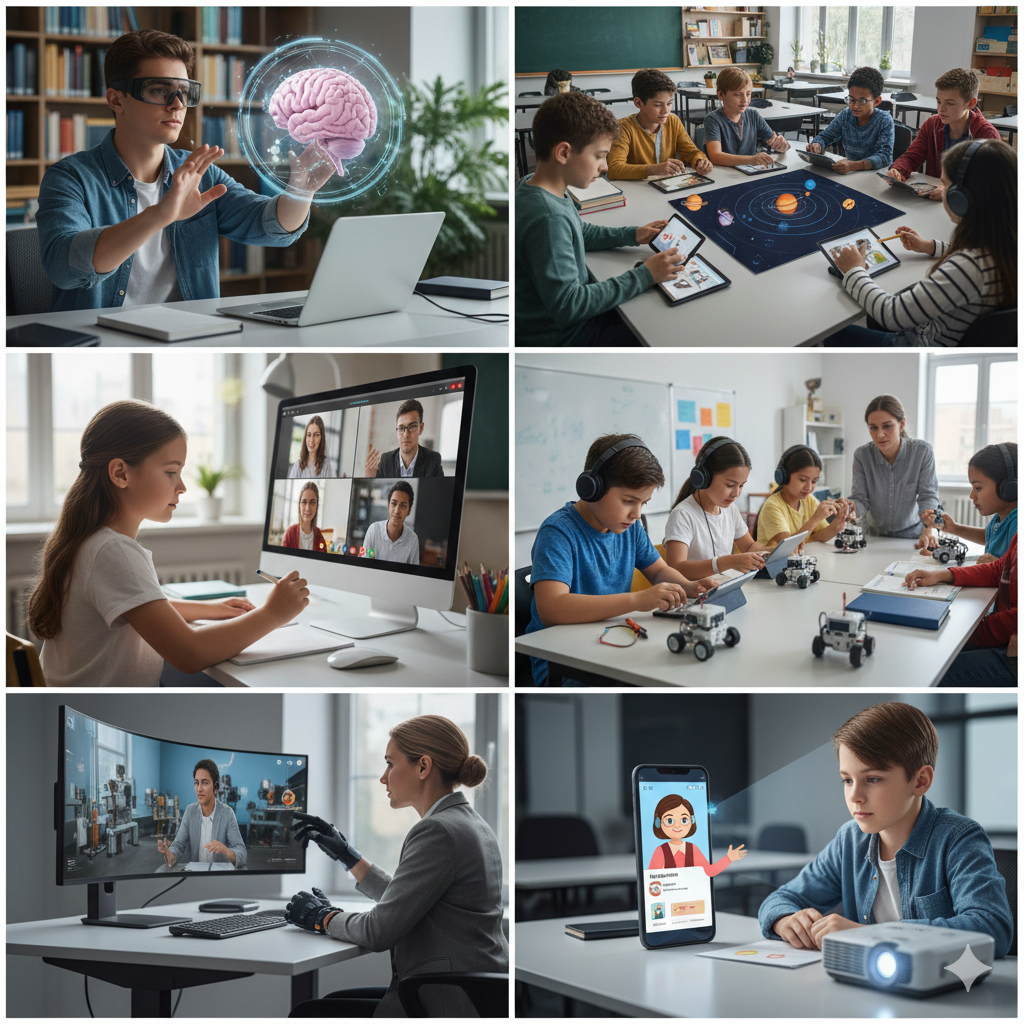
In today’s rapidly evolving educational landscape, digital learning tools have become essential for enhancing teaching and learning experiences. These tools enable educators to create interactive, personalized, and engaging lessons while providing students with access to diverse resources and learning opportunities. At EducationalChanges, we explore the impact of digital learning tools and highlight how they are revolutionizing education for students and teachers alike.
Understanding Digital Learning Tools
Digital learning tools are software, applications, and platforms designed to facilitate education through technology. They include interactive apps, online courses, virtual classrooms, learning management systems, and multimedia resources. By integrating digital learning tools into the classroom, educators can provide flexible and engaging learning experiences that cater to diverse student needs.
These tools are not only limited to traditional subjects but also help in developing critical thinking, collaboration, creativity, and digital literacy skills, which are vital for success in the 21st century.
Benefits of Digital Learning Tools
The use of digital learning tools in education offers a wide range of benefits:
- Enhanced Student Engagement: Interactive content, videos, and quizzes make learning fun and retain student interest.
- Personalized Learning: Adaptive tools adjust to each student’s learning pace, providing a tailored educational experience.
- Accessibility: Students can access learning materials anytime and anywhere, breaking geographical and time constraints.
- Collaborative Learning: Digital platforms facilitate group projects, discussions, and peer collaboration.
- Data-Driven Insights: Teachers can monitor student performance and identify areas for improvement efficiently.
By leveraging these benefits, digital learning tools empower both educators and learners to achieve better educational outcomes.
Types of Digital Learning Tools
There are various types of digital learning tools, each serving unique educational purposes:
- Learning Management Systems (LMS): Platforms that organize courses, assignments, and grades, making teaching and learning seamless.
- Interactive Whiteboards and Smartboards: Tools that allow teachers to present lessons dynamically and encourage student participation.
- Educational Apps: Mobile or web applications designed to teach specific skills or subjects interactively.
- Online Collaboration Tools: Platforms like Google Classroom or Microsoft Teams enable group projects and discussions.
- Virtual and Augmented Reality: Immersive tools that simulate real-world experiences, enhancing experiential learning.
- Gamified Learning Platforms: Tools that incorporate game elements to motivate and engage learners.
- Digital Assessment Tools: Applications that create, grade, and analyze quizzes and exams efficiently.
By combining these tools, educators can deliver enriched learning experiences and foster a more interactive and engaging classroom environment.
Top Digital Learning Tools for Modern Classrooms
When selecting top digital learning tools, educators should consider usability, effectiveness, and alignment with learning objectives. Some popular tools include:
- Kahoot! – An interactive quiz platform that promotes engagement through gamification.
- Edmodo – A social learning platform that encourages collaboration and communication.
- Google Classroom – A versatile tool for managing assignments, communication, and student progress.
- Seesaw – A platform for interactive student portfolios and feedback.
- Nearpod – Offers interactive lessons, VR experiences, and real-time assessments.
- Quizlet – A study and revision tool using flashcards and games for learning reinforcement.
- Padlet – A collaborative platform for brainstorming, project work, and discussions.
Using these top digital learning tools, educators can enhance engagement, facilitate collaboration, and improve learning outcomes across all grade levels.
Integrating Digital Learning Tools into Teaching Methods
Effectively using digital learning tools requires thoughtful integration into teaching strategies. Teachers can:
- Combine digital learning tools with traditional classroom methods for blended learning experiences.
- Use gamified platforms to increase participation and motivation.
- Employ interactive whiteboards to make lessons more dynamic and visually appealing.
- Implement data-driven insights from assessment tools to adjust instruction.
- Encourage student collaboration through online discussion boards and projects.
These approaches ensure that digital learning tools complement teaching methods rather than replace them, resulting in a balanced and effective educational experience.
The Role of Digital Learning Tools in Personalized Education
One of the most significant advantages of digital learning tools is their ability to support personalized learning. Adaptive platforms analyze student performance and tailor content to individual needs, helping learners progress at their own pace. Personalized learning improves retention, builds confidence, and allows educators to address learning gaps more effectively.
By incorporating digital learning tools, schools can provide a customized learning experience that meets the diverse needs of every student.
Challenges in Implementing Digital Learning Tools
Despite the numerous benefits, integrating digital learning tools in classrooms presents challenges:
- Access and Equity: Not all students have equal access to devices or high-speed internet.
- Teacher Training: Educators must be trained to use these tools effectively.
- Over-Reliance on Technology: Balancing digital tools with traditional teaching is essential to maintain interpersonal learning skills.
- Data Privacy and Security: Protecting student data is crucial when using online platforms.
Addressing these challenges ensures that digital learning tools enhance rather than hinder the learning process.
Future of Digital Learning Tools in Education
The future of education will be increasingly shaped by digital learning tools. Emerging technologies such as artificial intelligence, virtual reality, and machine learning will enhance personalized learning, immersive experiences, and real-time feedback. These innovations will enable educators to design more effective teaching strategies, support student learning, and prepare learners for success in a digital world.
Additionally, integrating top digital learning tools with traditional methods and continuous professional development will ensure that educators are well-equipped to navigate the evolving landscape of modern education.
Conclusion
Digital learning tools are transforming education by making it more interactive, personalized, and engaging. From learning management systems and gamified platforms to virtual classrooms and adaptive apps, these tools empower educators to deliver effective instruction and improve student learning outcomes.
At EducationalChanges, we advocate for the adoption of digital learning tools to create modern, inclusive, and efficient learning environments. By leveraging technology thoughtfully and strategically, schools can ensure that both teachers and students are prepared for the demands of 21st-century education.
About the Author