

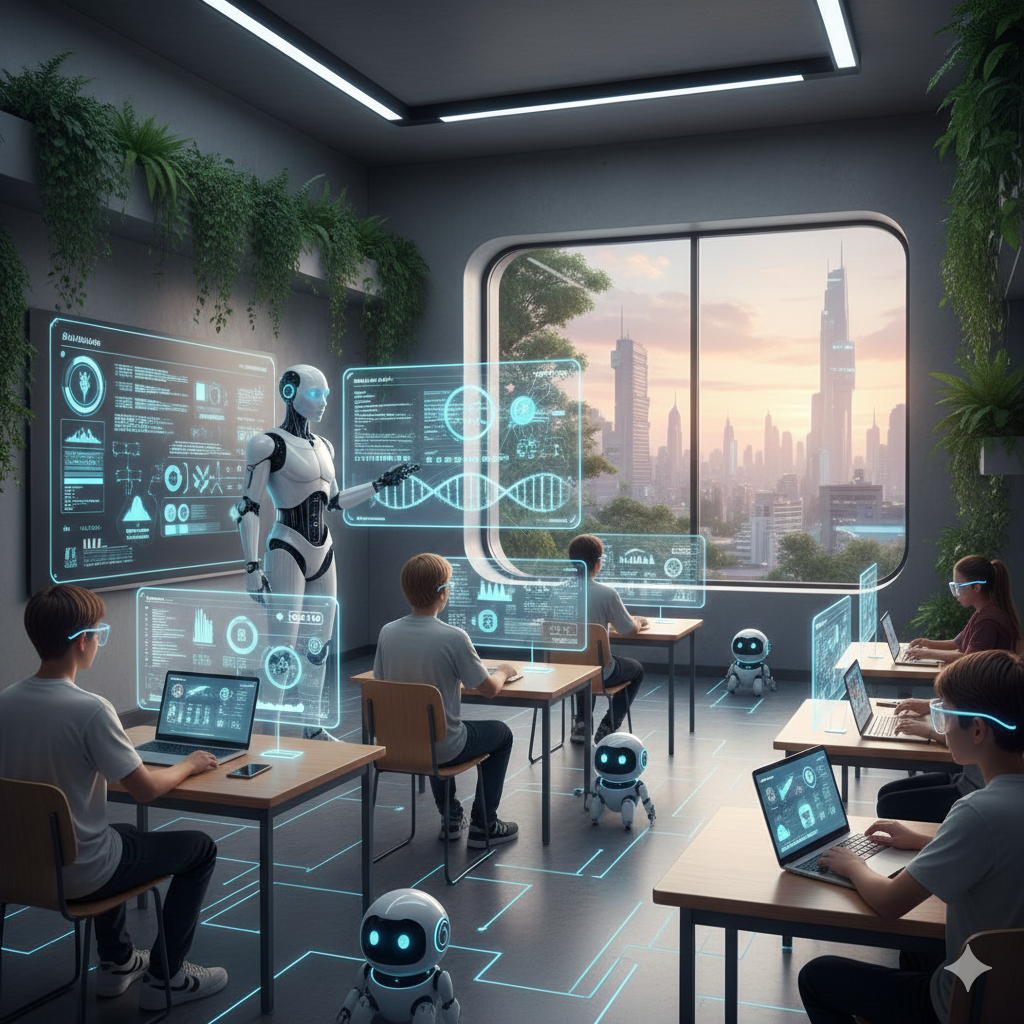
The education landscape is undergoing a remarkable transformation, largely driven by artificial intelligence in education. By integrating advanced AI technologies into classrooms and learning platforms, educators are now able to deliver personalized, efficient, and impactful learning experiences. At EducationalChanges, we recognize the critical role that artificial intelligence in education plays in preparing students for a digital, interconnected world.
Understanding Artificial Intelligence in Education
Artificial intelligence in education refers to the application of AI technologies to support teaching and learning processes. From intelligent tutoring systems to adaptive learning platforms, AI is helping educators streamline administrative tasks, personalize learning, and improve student outcomes. Unlike traditional methods, AI provides real-time feedback, predictive analytics, and individualized learning paths, making education more engaging and effective.
Key Applications of Artificial Intelligence in Education
The use of artificial intelligence in education has expanded across multiple areas. Some key applications include:
- Adaptive Learning Platforms: AI-powered platforms adjust the difficulty of lessons based on student performance, ensuring a customized learning experience.
- Intelligent Tutoring Systems: These systems provide students with real-time feedback and guidance, mimicking one-on-one instruction.
- Automated Grading and Assessment: AI can quickly evaluate assignments, quizzes, and exams, freeing educators to focus on teaching strategies.
- Data-Driven Insights: By analyzing student data, AI helps educators identify learning gaps, predict performance, and implement targeted interventions.
Enhancing Emotional Intelligence in Curriculum
While AI focuses on cognitive learning, integrating emotional intelligence in curriculum ensures that students develop social and emotional skills alongside academic knowledge. Incorporating emotional intelligence training into lessons helps learners manage emotions, communicate effectively, and collaborate efficiently. By combining artificial intelligence in education with emotional intelligence development, schools can create a holistic learning environment that nurtures both intellect and character.
Personalized Learning Through AI
One of the most significant advantages of artificial intelligence in education is its ability to facilitate personalized learning. Every student has unique learning needs, and AI can tailor lessons, quizzes, and exercises to match individual strengths and weaknesses. Personalized learning encourages self-paced progress, improves knowledge retention, and enhances student engagement, making learning more meaningful and effective.
Interactive Learning Tools and AI Integration
Interactive learning tools are increasingly influenced by artificial intelligence in education. Educational apps, simulations, and gamified learning platforms use AI to adapt challenges and activities based on student performance. This approach not only makes learning fun but also fosters critical thinking, problem-solving, and creativity. By integrating AI into interactive tools, educators can ensure that students are actively engaged and motivated to achieve their learning goals.
Virtual Classrooms and AI Assistance
The rise of virtual classrooms has been accelerated by artificial intelligence in education. AI-driven platforms facilitate live online lessons, automated attendance tracking, and real-time performance monitoring. These features allow educators to manage classrooms efficiently, even in remote or hybrid learning environments. Additionally, AI-powered chatbots and virtual assistants provide students with instant support, answering questions and offering guidance whenever needed.
AI and 21st-Century Skills Development
Modern education requires more than memorization—it demands critical thinking, creativity, collaboration, and digital literacy. Artificial intelligence in education helps cultivate these 21st-century skills by providing adaptive learning experiences, problem-based tasks, and collaborative projects. When combined with emotional intelligence in curriculum, AI ensures that students develop both cognitive and social competencies, preparing them for success in higher education and future careers.
Challenges in Implementing Artificial Intelligence in Education
Despite its advantages, implementing artificial intelligence in education comes with challenges that must be addressed:
- Digital Divide: Unequal access to technology can limit AI benefits for some students.
- Teacher Training: Educators need ongoing professional development to effectively integrate AI into teaching strategies.
- Data Privacy and Security: Protecting student information is critical when using AI systems.
- Balancing Technology and Human Interaction: While AI enhances learning, it cannot replace the emotional support and mentorship that teachers provide.
By addressing these challenges, schools can maximize the positive impact of artificial intelligence in education while maintaining a balanced, human-centered approach.
Future Trends of Artificial Intelligence in Education
The future of artificial intelligence in education is promising. Emerging technologies such as augmented reality (AR), virtual reality (VR), and machine learning are poised to further enhance the learning experience. Predictive analytics will continue to improve personalized learning, while AI-driven assessment tools will offer deeper insights into student performance.
Additionally, combining AI with emotional intelligence in curriculum will ensure that education remains holistic, nurturing not just knowledge, but empathy, collaboration, and resilience in students.
Conclusion
Artificial intelligence in education is reshaping the way students learn and educators teach. By leveraging AI technologies, schools can provide personalized learning, interactive tools, and data-driven insights that enhance academic outcomes. Simultaneously, integrating emotional intelligence in curriculum ensures that learners develop essential social and emotional skills, creating a well-rounded educational experience.
At EducationalChanges, we are committed to exploring and promoting the use of artificial intelligence in education to prepare students for the demands of the 21st century. Embracing AI in classrooms today ensures that learners are equipped with the knowledge, skills, and emotional intelligence to thrive in a rapidly changing world.
About the Author